Argus · Drone-or-bird verification
In progressUpdated
Drone or bird? A second look for every alert.
Radar and RF sensors flag a dot in the sky. Argus is the camera check we are building to say whether that dot is a drone or a bird, and to publish how often that call is right.
This page shows what Argus has reached so far, dated, and what comes next.

The problem
Radar sees a dot. Someone still has to say what it is.
Radar and RF sensors are good at finding something in the sky. Whether that something is a gull or a drone is often still decided by a person looking at a screen, and every false alarm costs attention and trust.
Argus aims to make that call with a camera, and to publish how often it is right for each object size and range. As far as we found, nobody publishes that number.
Where it matters
Places that cannot afford to guess
Argus is not deployed anywhere yet. These are the problems it is built for.
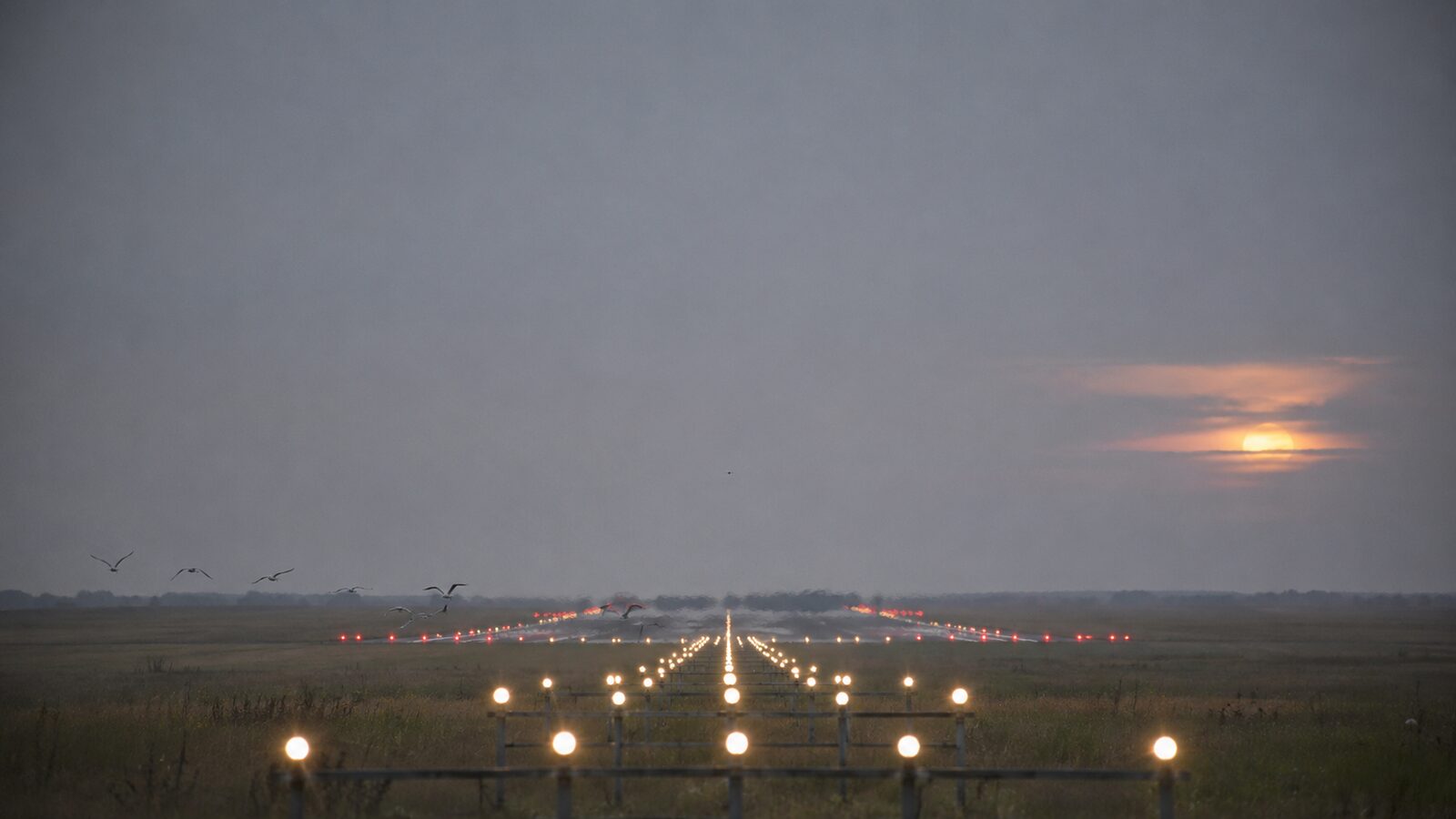
01 · Airports
A sighting can stop the runway.
One reported drone near an airfield can halt departures until someone is sure what was seen. Birds share that airspace every day.
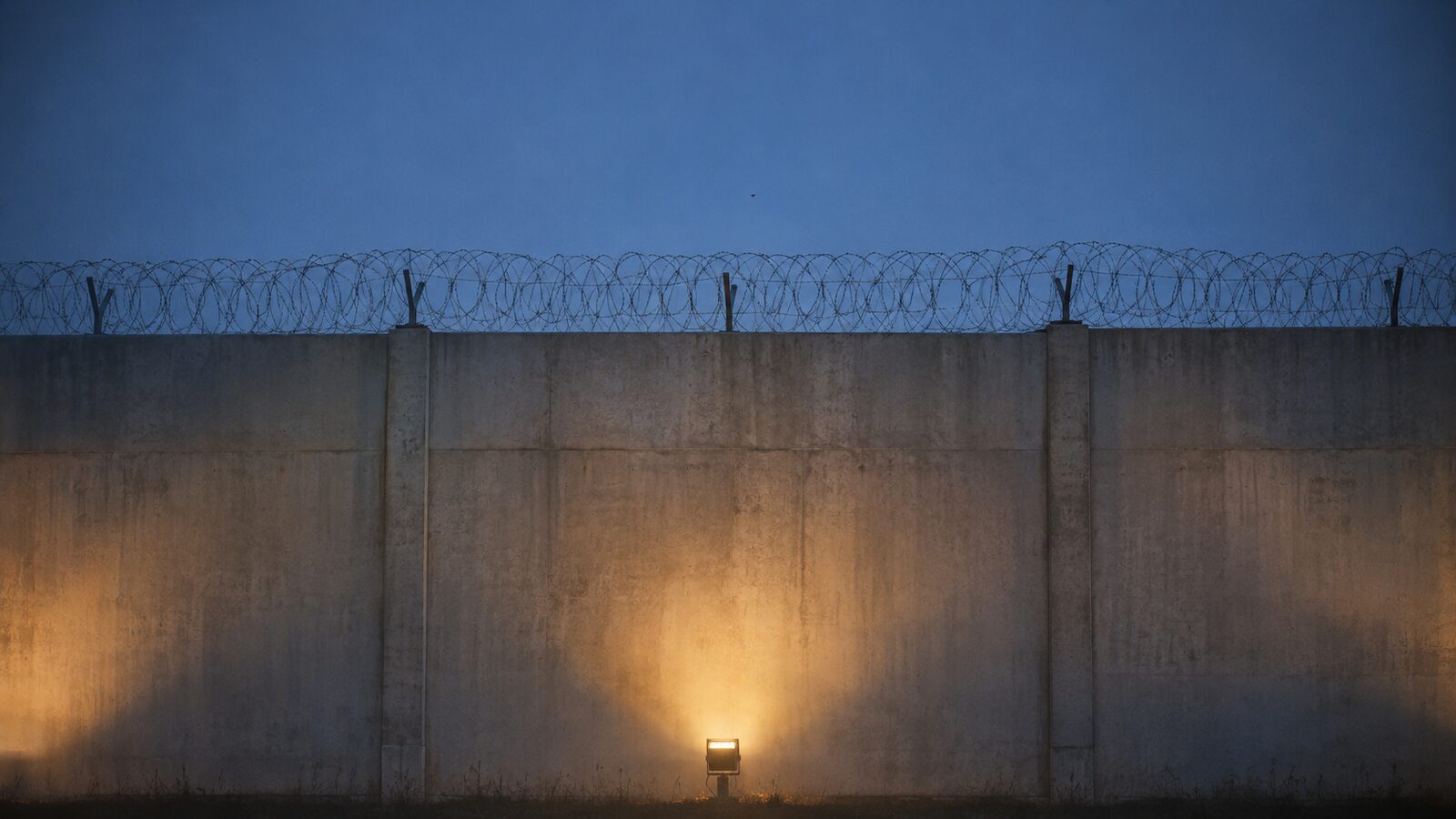
02 · Prisons
Deliveries that come over the wall.
Small drones drop phones and drugs into prison yards. Staff need to know which dot above the wall to act on.
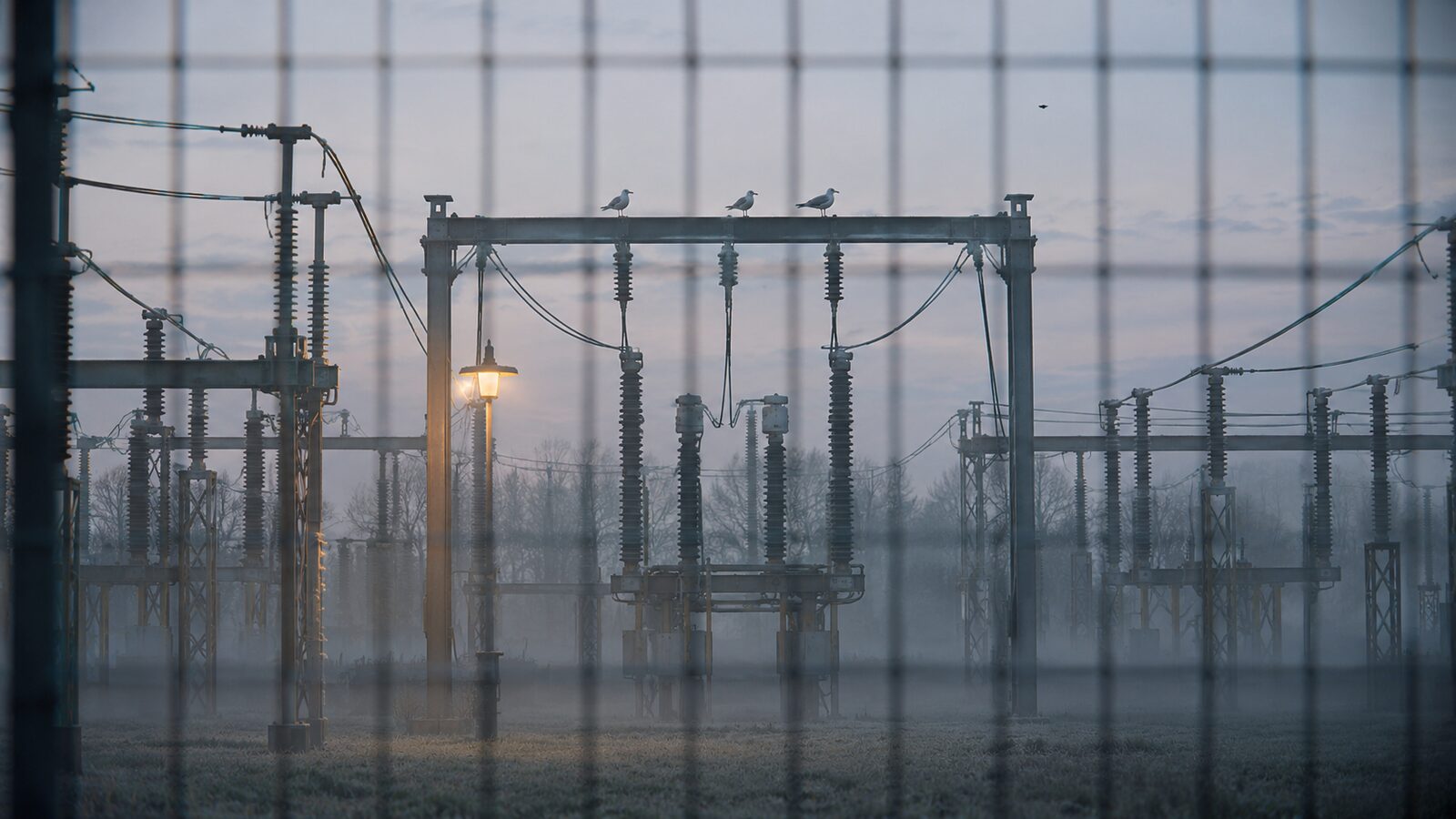
03 · Critical infrastructure
Sites that cannot ignore the sky.
Power plants, substations and fuel depots see objects over the fence every day, and many of them have feathers.
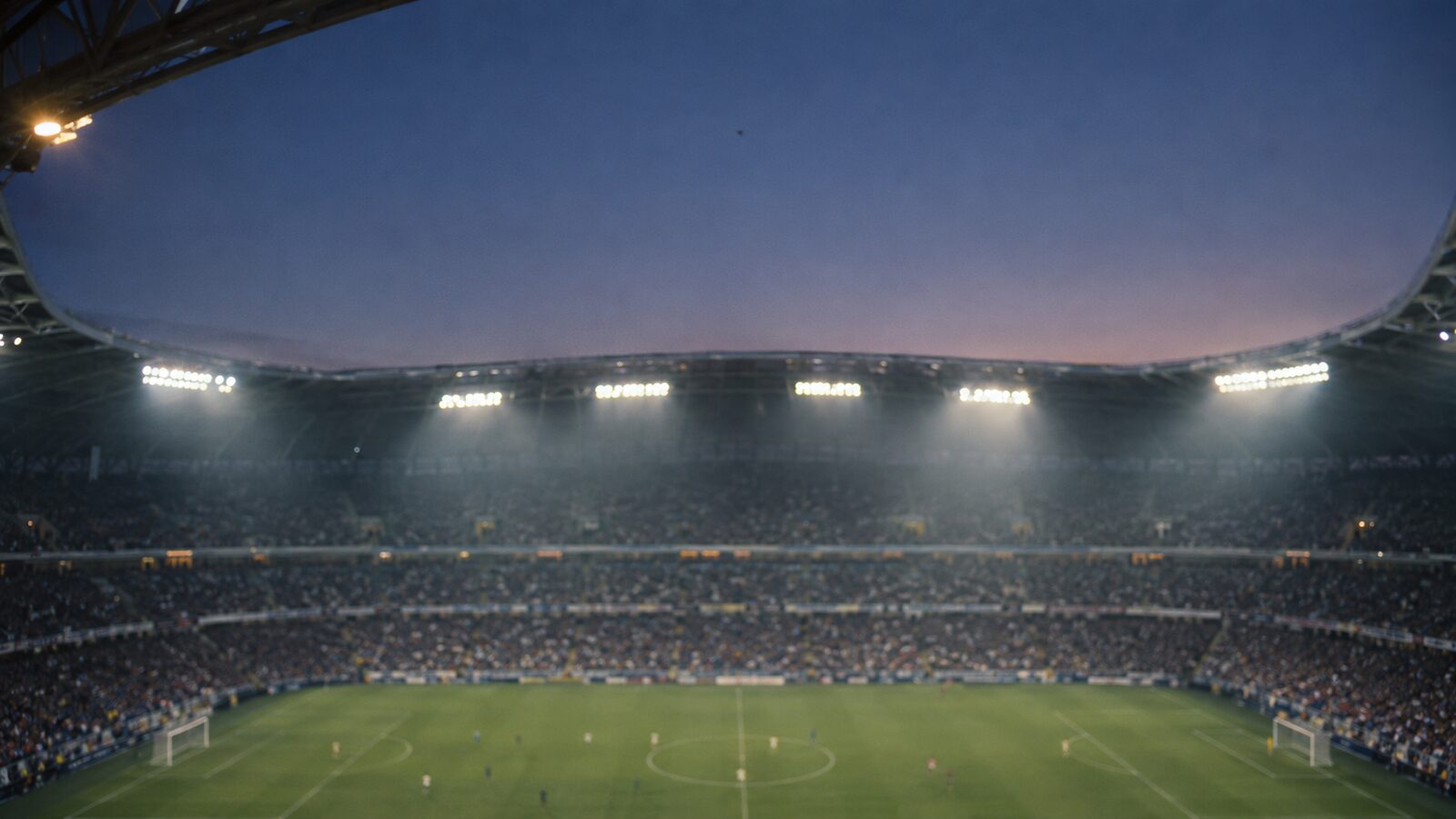
04 · Stadiums and events
A crowd under open sky.
A single unidentified drone over a stadium can stop a match. Security has to decide fast whether it is a threat.


What Argus reports
Measured in our own sky

Own footage
- Range
- Distance to each object, in metres
- Shown in our footage
- Altitude
- Height of each object, in metres
- Shown in our footage
- Speed
- True speed, in metres per second
- Shown in our footage
- Class
- Bird or drone, with a confidence
- In development
Milestones
What Argus has reached
- First drone for test flights
We now have a small drone of our own. Test flights in our own sky come next.
- Aircraft truth matched in our footage
31 aircraft seen in our footage were matched to their real flights.
Next
First test flights with our own drone.
Evaluation
When the first classification result exists, it is published here: accuracy per object size and range, at a stated false-alarm rate, with the version and the date.
Model closed. Results published.
The model, its weights, its code and how it works stay private. Its results are published.
What we do not publish
- How Argus works: its methods, models and test design stay private.
- Where we record: no locations, maps, skyline frames, flight-track plots or image metadata.
Contact
Working on the same problem?
If you look after a site like these, build sensors or run a test range, we would like to hear from you.
Get in touch